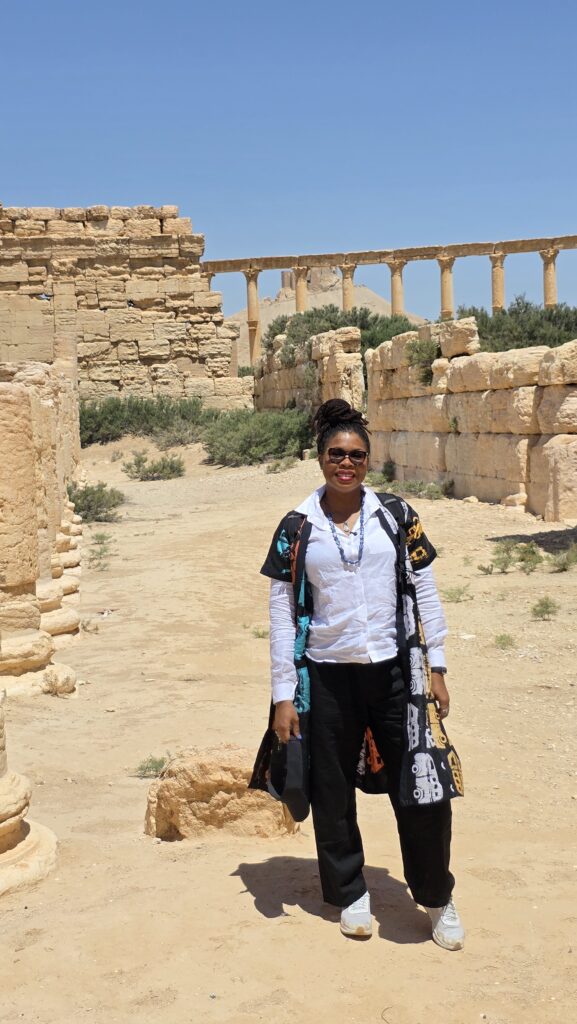

There are countries I want to visit simply because I hope to see every country in the world. And then there are countries that call to me on a deeper level, places with spiritual weight, cultural resonance, and a profound sense of connection. Syria is one of those rare, sacred places.
For years, I had dreamt of walking through the streets of Damascus, tracing the steps of biblical figures, touching ancient stones, hearing the call to prayer echo through narrow alleys, and witnessing the layers of civilization still present in daily life. But Syria is also a country navigating complex realities, sanctions, scars of war, and cautious borders.
Entry, Sanctions & Considerations
Before booking, I had to consider the impact of traveling to Syria. Most notably, visiting Syria could affect my ability to obtain an ESTA (visa waiver) for the United States, and I might have to apply for a U.S. visa in the future. But at this time in my life, I had no urgent reason to travel to the U.S. And this felt like a window of opportunity I couldn’t ignore.
For many nationalities, including European passports, visa on arrival is possible. If entering Syria via land border from Jordan or Lebanon, some travelers are even exempt from paying the visa fee. The process at the Damascus airport was surprisingly simple, I was done in 30 minutes.
A word of caution: due to ongoing sanctions, international bank cards will not work. It’s important to bring enough cash in major currencies (USD or EUR), and ideally, work with a reputable local tour guide or agency. I used Syriascope Travel, (www.syriascopetravel.com) who helped me organize the entire experience, visa coordination, hotel booking, guided tours, and airport or land transfers from Lebanon or Jordan. They were also transparent about costs and gave excellent advice on how much local currency I would need.
Day One: Arrival and Old Damascus
I landed in Damascus on 4th June, 2025, and was warmly received by my guide, who took me to my hotel. After unpacking and checking in with my family, I began my walking tour of Old Damascus, a breathtaking, immersive five-hour journey through time.
I visited places I had only read about:
- The House of Ananias, where Ananias healed Paul after his conversion.
- The Umayyad Mosque, one of the oldest and grandest mosques in the world, with roots reaching into Christianity and Roman temple architecture.
- The beautiful Azem Palace, now a museum showcasing Syrian artistry, history, and lifestyle.
We wandered through ancient souqs, stopped in cafes, and visited artisan shops. I even had the chance to roleplay the traditional storyteller at Al Nawfara, the oldest coffeehouse in Damascus. I was especially enchanted by Syria’s mosaic craftsmanship and the legendary invention of Damask brocade, a luxurious fabric of silk interwoven with gold thread.
Day Two: Road Trip to Palmyra
The next morning, we set off on a road trip to Palmyra, once a prosperous Roman city and major stop along the Silk Road. It was majestic, and heartbreaking.
Much of Palmyra was damaged by ISIS in 2015, and although some structures still stand, the scars are real. As I walked among the ruins, I couldn’t help but feel grief for what had been lost, but also awe for what remains. Syria’s resilience is etched into its stones.
We stopped to have lunch with a local family, a moment of warmth and hospitality I’ll never forget, then returned to Damascus. Road travel in Syria involves passing through multiple checkpoints, so you must carry your passport at all times. Hotels register your visa with authorities and can issue authorization letters to guides for such trips. My guide handled all of that seamlessly.
Day Three: Eid in Damascus
My final day fell on Eid, and the city was peaceful and quiet. Most businesses were closed, but I ventured out anyway. I arrived at the National Museum of Damascus, hoping to visit, only to find the doors closed for the holiday. But then something magical happened.
The gardener saw me standing there, heartbroken, and quietly opened the gate to let me into the outdoor sculpture garden. It was beautiful, ancient sculptures nestled among blooming trees. In the silence of Eid morning, I found peace, reflection, and a touch of divine grace.
Later, I visited more landmarks: the Damascus train station, Damascene Sword, and several viewpoints that offered sweeping panoramas of the city. That evening, I crossed the border into Jordan via land. (I’ll share more about the land border crossings in another post.)
Final Reflections
Traveling to Syria is not for everyone. You must stay informed, check your country’s travel advisories, and ensure you’re going with experienced local operators. But for me, it was life-changing.
I prayed so much before this journey, and I felt God’s hand guiding every step.
Do I have regrets? Only that I didn’t stay longer. I didn’t make it to Aleppo, and that’s something I must return for.
Syria left a deep impression on my soul. The kindness of the people, the flavors of the food, the echoes of biblical stories, and the enduring beauty of a land that refuses to be forgotten, I carry all of it with me.
Did I ever feel unsafe? Not for a moment.
I walked through time, through faith, and through history. And I’ll be back.
Have you ever considered visiting Syria?
Would you go if given the chance?
Let me know in the comments, I’d love to hear your thoughts.